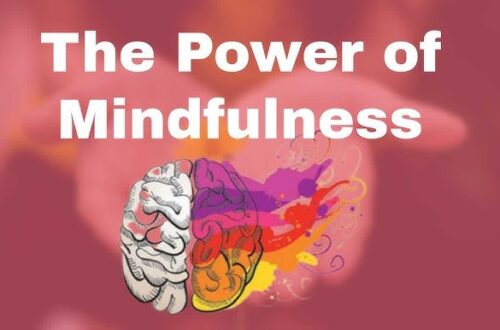

Motivation is the invisible force that drives human behavior. It is what gets you out of bed in the morning, what keeps you going through challenges, and what inspires you to pursue your dreams despite setbacks. Whether you’re chasing a personal goal, building a career, or improving your lifestyle, motivation is the foundation that determines how far and how fast you go.
At its core, motivation is the reason behind your actions—the “why” that fuels your “how.” Some people are motivated by external rewards like money, recognition, or approval, while others are inspired by internal satisfaction, passion, or the desire to grow. Understanding what truly drives you is the first step to mastering motivation.
Intrinsic vs. Extrinsic Motivation
There are two main types of motivation: intrinsic and extrinsic.
Intrinsic motivation comes from within. It’s when you do something because you genuinely enjoy it or find it meaningful. For example, an artist paints because they love creating beauty, not just because they’ll sell their work. This form of motivation is often stronger and more sustainable because it’s fueled by personal satisfaction.
On the other hand, extrinsic motivation is driven by external factors—such as rewards, grades, money, or praise. While this type of motivation can be powerful in the short term, it may fade once the reward disappears. The key to lasting motivation is finding a balance between both. Use external rewards to stay focused, but let inner purpose guide your direction.

Why Motivation Matters
Without motivation, even the most talented individuals can stagnate. You may have big dreams, but without the drive to act, they remain dreams. Motivation provides the energy and determination to take consistent steps toward a goal, no matter how small. It helps you overcome fear, self-doubt, and procrastination—the biggest enemies of progress.
Motivation also builds resilience. Life will always present obstacles, but a motivated mind sees challenges as opportunities to grow rather than reasons to quit. When your “why” is strong enough, you can endure almost any “how.”
How to Build and Maintain Motivation
Motivation isn’t something you either have or don’t have—it’s something you can create and strengthen. Here are some proven strategies to build and sustain it:
Set Clear Goals
Clarity is the foundation of motivation. When you know exactly what you want and why you want it, your actions become more focused. Break big goals into smaller, achievable steps. Every small win fuels your confidence and momentum.
Find Your Purpose
Purpose is a deeper form of motivation. Ask yourself: Why does this matter to me? When your goals align with your core values and passions, motivation becomes effortless. You stop chasing results and start enjoying the process.
Visualize Success
Your mind is a powerful tool. Visualization helps you mentally experience your success before it happens. Picture yourself achieving your goal—how it feels, looks, and sounds. This mental rehearsal strengthens your belief and keeps you inspired.
Create Positive Habits
Motivation can start the journey, but habits sustain it. Build routines that support your goals—whether it’s a morning workout, reading daily, or journaling your progress. Over time, discipline replaces the need for constant motivation.
Surround Yourself with Positivity
Your environment shapes your mindset. Surround yourself with people who inspire, support, and challenge you. Avoid negativity—whether from people, media, or self-talk. A positive environment nurtures a motivated spirit.
Celebrate Progress
Don’t wait until you reach the final destination to feel proud. Celebrate small victories along the way. Acknowledging progress keeps your enthusiasm alive and reminds you how far you’ve come.
Learn from Setbacks
Failure isn’t the opposite of success—it’s part of it. Every mistake offers a lesson that brings you closer to your goal. Instead of losing motivation after setbacks, use them as fuel to come back stronger.
The Ripple Effect of Motivation
Motivation is contagious. When you’re passionate and driven, others feel inspired by your energy. Whether at home, school, or work, your enthusiasm can ignite change in those around you. That’s why motivated individuals often become leaders—they not only achieve their own goals but also empower others to believe in theirs.
Conclusion
Motivation is more than just a feeling—it’s a choice. It’s the decision to keep moving forward even when the road gets tough. While you can’t control every circumstance, you can always control your attitude and effort. Start small, stay consistent, and remind yourself daily of your “why.”
Remember: motivation may fade at times, but discipline and purpose will carry you through. Once you learn to master your own motivation, no goal will ever be out of reach. The key is to begin—because the moment you start, momentum follows.